Jumanji: Welcome to the Jungle Budget and Cast Salary – Complete Overview
Jumanji: Welcome to the Jungle (2017) became one of the most profitable adventure-comedy films of the decade. What started as a risky reboot evolved into a global blockbuster that revived a classic franchise and generated massive returns for Sony Pictures.
This article provides a detailed analysis of the budget and cast salaries for Jumanji: Welcome to the Jungle, covering production costs, actor compensation, marketing investments, and overall profitability.
The goal is to deliver expert insights for fans, industry professionals, and investors.
Permanent Post, Dofollow Backlink.
Price: $150 – $200
Production Budget: How Much Did Jumanji Cost to Make?
The estimated production budget for Jumanji: Welcome to the Jungle ranged between:
$90 million and $100 million
This amount covered all major phases of filmmaking, including pre-production, filming, post-production, and visual effects.
Key Cost Areas
| Category | Estimated Cost |
|---|---|
| Lead Cast Payments | $35M–$40M |
| Visual Effects | $15M–$20M |
| Locations & Sets | $10M–$12M |
| Crew & Equipment | $8M–$10M |
| Post-Production | $7M–$9M |
| Other Expenses | $5M |
Unlike many modern blockbusters, the film maintained a balanced spending structure that focused on performance quality rather than excessive visual effects.
Marketing and Promotional Investment
In addition to production costs, Sony invested heavily in promotion.
Estimated marketing budget:
$100 million to $120 million
This included:
- Television advertising
- Digital campaigns
- Social media partnerships
- International premieres
- Brand collaborations
The promotional campaign sustained the movie’s box-office momentum.
Total Financial Commitment
When combining production and promotion:
Total estimated investment: $190–220 million
Main Cast Salary Breakdown
A large share of the budget went to top-billed actors with global appeal.
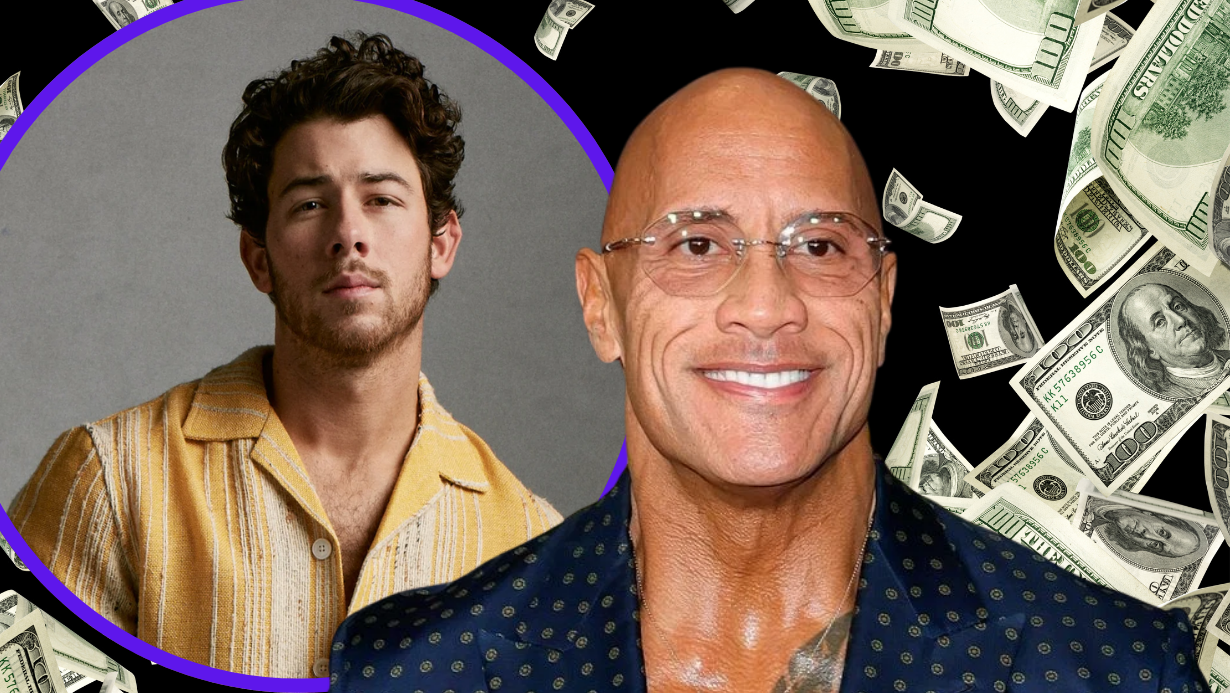
Dwayne “The Rock” Johnson
Role: Dr. Smolder Bravestone
Estimated Earnings: $20 million+
Dwayne Johnson was the highest-paid actor in the film. His contract reportedly included:
- Guaranteed base salary
- Performance incentives
- Revenue participation
By 2017, Johnson had established himself as one of Hollywood’s most reliable box office draws, making his compensation a strategic investment.
Industry reports suggest that his involvement significantly increased the value of international licensing and distribution.
Kevin Hart
Role: Franklin “Mouse” Finbar
Estimated Earnings: $10 million
Kevin Hart’s strong fan base and comedy reputation helped attract younger audiences. His energetic promotion of the film on social platforms also strengthened marketing reach.
Jack Black
Role: Professor Sheldon Oberon
Estimated Earnings: $5 million
Jack Black brought experience, comedic versatility, and family-friendly appeal. His performance received strong critical recognition, adding long-term value to the project.
Karen Gillan
Role: Ruby Roundhouse
Estimated Earnings: $3–4 million
Karen Gillan was emerging as a leading actress due to her role in the Marvel franchise. Sony benefited from signing her before her market value peaked.
Her performance later became a key factor in the sequel’s success.
Supporting Cast Compensation
| Actor | Role | Estimated Salary |
|---|---|---|
| Nick Jonas | Alex | $2M |
| Bobby Cannavale | Van Pelt | $1M–$1.5M |
| Alex Wolff | Spencer | $500K |
| Madison Iseman | Bethany | $300K |
Total Cast Payroll
Combined estimates indicate:
Total cast salaries: $35–40 million
This accounted for approximately 40% of the total production budget, in line with industry standards for star-led films.

Box Office Performance and Financial Return
Worldwide Revenue
| Market | Earnings |
|---|---|
| United States & Canada | $404M |
| International Markets | $557M |
| Global Total | $961M |
The movie performed exceptionally well in Asia, Europe, and Latin America, contributing to its long-term success.
Profitability Estimate
| Category | Amount |
|---|---|
| Gross Revenue | $961M |
| Total Investment | $210M |
| Distribution & Fees | $200M |
| Net Profit | $450M+ |
Jumanji: Welcome to the Jungle delivered a top-tier return on investment for adventure films.
Why the Financial Strategy Was Successful
Several interconnected factors contributed to the film’s strong financial performance.
Balanced Star System
Rather than hiring multiple ultra-high-cost celebrities, Sony focused on one major global star supported by popular mid-tier actors.
This approach preserved budget flexibility.
Controlled Visual Effects
The movie relied on practical sets and limited CGI. This helped control post-production expenses while maintaining visual quality.
Audience-Centered Story Design
Executives prioritized humor, pacing, and relatable characters. This reduced costly reshoots and strengthened audience retention.
Sony’s Franchise Revival Approach
Sony used Jumanji as a blueprint for reviving legacy intellectual property.
Key components included:
- Contemporary storytelling
- Cross-generational casting
- Digital-first marketing
- International partnerships
The immediate greenlighting of the sequel confirmed the strategy’s effectiveness.
People Also Ask: Popular Search Questions
How much did Jumanji: Welcome to the Jungle cost to produce?
The production budget was approximately $90–100 million, excluding marketing.
How much did Dwayne Johnson earn from Jumanji?
He earned about $20 million upfront, with additional profit-based incentives.
Was the movie financially successful?
Yes, it generated more than $450 million in estimated net profit.
Who earned the highest salary?
Dwayne Johnson was the highest-paid cast member.
How much did Kevin Hart make?
Kevin Hart earned approximately $10 million.
Industry Budget Management Insights
The Jumanji project reflects several effective production practices:
- Forecast-based spending models
- Tiered compensation systems
- Revenue-linked contracts
- International market research
- Pre-release performance testing
These approaches minimized financial risk and improved long-term returns.
Quick Summary: Budget and Salary Highlights
- Production Budget: $90–100M
- Marketing Budget: $100–120M
- Total Investment: $200M+
- Dwayne Johnson: $20M+
- Kevin Hart: $10M
- Jack Black: $5M
- Karen Gillan: $3–4M
- Global Revenue: $961M
- Estimated Profit: $450M+
Practical Takeaways for Filmmakers and Content Creators
Professionals in film, media, and entertainment can apply these insights:
1. Focus on Revenue Potential
Select talent based on measurable audience reach.
2. Structure Flexible Contracts
Combine base pay with performance incentives.
3. Allocate Promotion Strategically
Reserve at least 40% of total spending for marketing.
4. Prioritize International Appeal
Design content for global audiences from the start.
5. Build Scalable Franchises
Secure long-term agreements to support sequels and spin-offs.
Final Thoughts
The success of Jumanji: Welcome to the Jungle demonstrates that effective financial planning is as important as creative execution.
By aligning:
- Cast compensation
- Production efficiency
- Global marketing
- Revenue participation
Sony developed a sustainable blockbuster model.
The Jumanji: Welcome to the Jungle budget and cast salary structure continues to serve as a reference point for profitable modern filmmaking.
FAQs
Did the cast receive profit-sharing agreements?
Yes, select lead actors participated in revenue-based compensation plans.
Was the film considered a mid-budget project?
Yes, it was positioned as a mid-range blockbuster with strong scalability.
How did marketing influence performance?
The extensive promotional campaign sustained high attendance for several months.
Why were some actors paid less?
Market positioning, career stage, and contract timing influenced compensation levels.
Did salaries increase for the sequel?
Yes, leading cast members received higher compensation for The Next Level.
Is Jumanji among Sony’s most profitable films?
Yes, it ranks among Sony’s highest ROI productions.
Could the movie succeed without major stars?
Star recognition played a crucial role in international market penetration.
Also, Read The Following: Louis Partridge Age