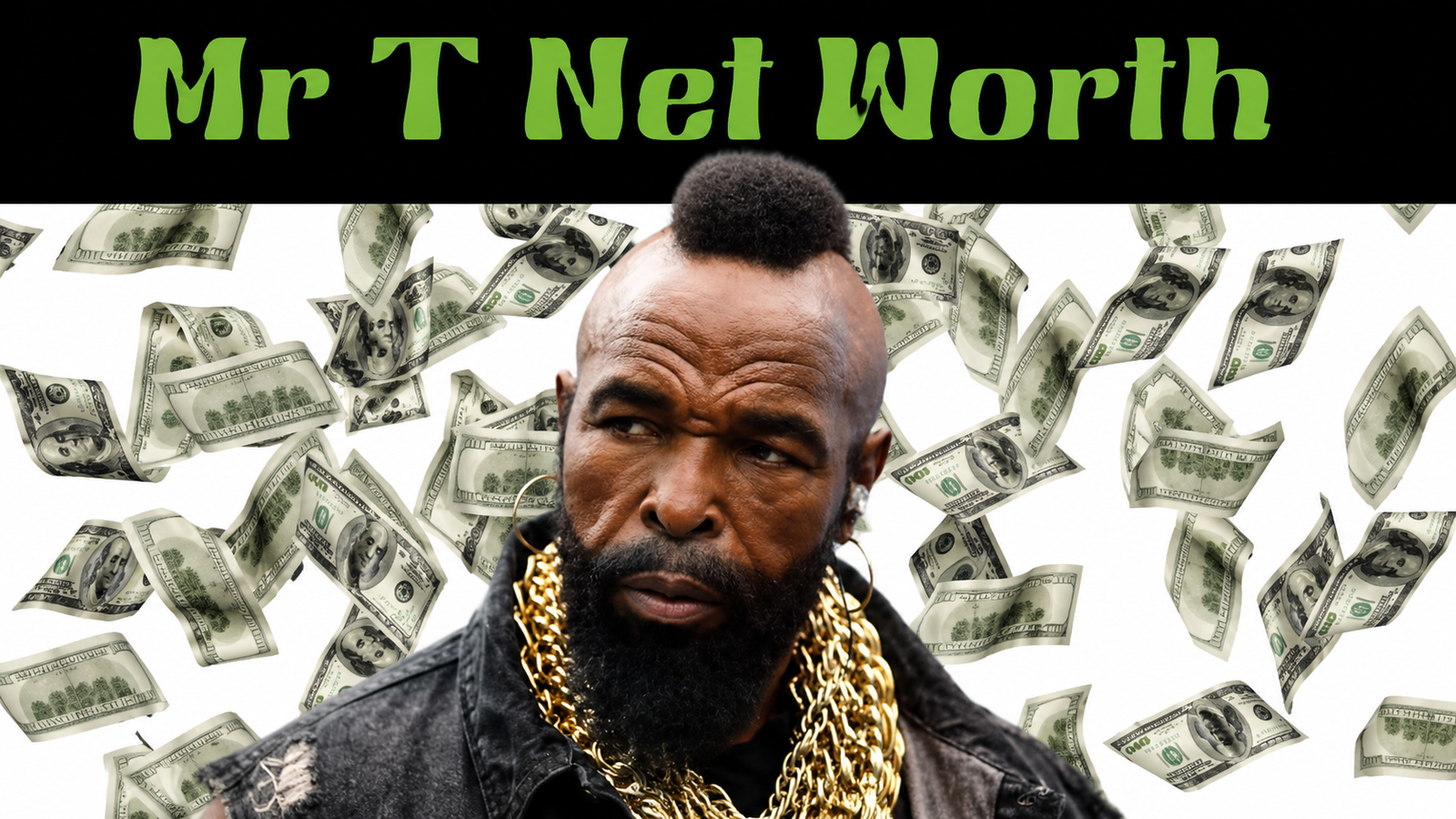
Mr. T net worth remains one of the most searched topics about the legendary Hollywood actor, television star, and former professional wrestler. Best known for his unforgettable role as B.A. Baracus in The A-Team and his powerful performance as Clubber Lang in Rocky III, Mr. T became one of the biggest pop culture icons of the 1980s. Fans continue to wonder how much wealth he built throughout his remarkable career and what contributed to his financial success. From blockbuster acting roles and wrestling appearances to endorsements and television projects, his journey offers an interesting look at how fame can translate into long-term financial value.
Decades after reaching the height of his fame, people continue searching for Mr. T net worth. Some want to know whether the television legend is still wealthy, while others are curious about how someone who dominated both Hollywood and professional wrestling managed his finances over the years.
Unlike many celebrities whose careers are built around a single profession, Mr. T earned money from several industries. Acting, wrestling, television appearances, endorsements, motivational speaking, and licensing all contributed to his financial journey. Although his current wealth is modest compared to some modern entertainers, his influence remains priceless.
Quick Bio: mr t
| Information | Details |
|---|---|
| Full Name | Laurence Tureaud |
| Known As | Mr. T |
| Date of Birth | May 21, 1952 |
| Age | 74 (as of 2026) |
| Birthplace | Chicago, Illinois, United States |
| Nationality | American |
| Profession | Actor, Retired Professional Wrestler, Television Personality |
| Height | Approximately 5 ft 10 in (178 cm) |
| Best Known For | The A-Team, Rocky III |
| Estimated Net Worth | Around $1 million (widely reported estimate) |
What Is Mr. T’s Net Worth?
Most widely cited public estimates place Mr. T’s net worth at approximately $1 million. While estimates naturally vary between financial publications, many agree that his fortune is significantly lower than it was during the peak of his career in the 1980s.
That figure often surprises fans.
After all, Mr. T was once among the most recognizable television personalities in America. During his prime, he reportedly earned substantial salaries from television, film roles, commercials, merchandise, and public appearances.
However, celebrity wealth is rarely determined by peak earnings alone. Taxes, lifestyle expenses, charitable giving, investment choices, and years away from major acting roles all influence long-term financial standing. Mr. T has also spoken publicly over the years about generosity and helping others, suggesting that accumulating wealth was never his primary motivation.
Growing Up in Chicago
Long before becoming a household name, Laurence Tureaud experienced a very different life. Born in Chicago, Illinois, he was raised in a large family in public housing. Life was financially challenging, but those early experiences shaped his discipline, resilience, and determination.
After finishing school, he briefly attended college on a football scholarship before serving in the United States Army. Military service helped develop the confidence and physical presence that would later define his public image.
Before Hollywood came calling, Mr. T worked as a bodyguard. That career proved to be an unexpected stepping stone.
The Bodyguard Who Protected Celebrities
Mr. T’s reputation as one of America’s toughest bodyguards became legendary.
He reportedly worked security for wealthy clients and celebrities, including musicians, athletes, and public figures. His distinctive appearance—especially the mohawk inspired by African tribal warriors and his signature gold jewelry—made him unforgettable.
His larger-than-life personality soon attracted media attention. Rather than simply protecting famous people, Mr. T gradually became famous himself. This unusual career path helped him build valuable industry connections long before landing major acting roles.
The Breakthrough That Changed Everything
Every successful career has a defining moment. For Mr. T, that moment arrived when Sylvester Stallone noticed him during a televised competition that showcased America’s toughest bodyguards. Stallone immediately recognized his screen presence.
He cast Mr. T as Clubber Lang in the blockbuster film Rocky III (1982). Although it was his first major acting role, audiences instantly embraced his intimidating performance. His fierce confidence and memorable dialogue turned Clubber Lang into one of the franchise’s most iconic villains.
The success of Rocky III transformed Mr. T into an international celebrity almost overnight. His earning potential expanded dramatically after the film’s release.
The A-Team Made Him a Television Superstar
If Rocky III introduced Mr. T to movie audiences, The A-Team made him a global television icon. Playing B.A. Baracus, he became the heart of one of the biggest action series of the decade. The show aired from 1983 to 1987 and achieved worldwide popularity.
At its peak, Mr. T reportedly earned impressive weekly salaries for television work. Various reports have suggested he received as much as $80,000 per week during the show’s success, though exact contractual figures have never been fully verified publicly.
Beyond salary, the series opened countless financial opportunities.
These included:
- Television royalties
- Merchandise licensing
- Promotional campaigns
- Commercial appearances
- International publicity tours
- Brand partnerships
His character became so recognizable that toys, lunch boxes, video games, action figures, and clothing featured his likeness. Those licensing opportunities significantly expanded his income beyond acting alone.
Hollywood Success Beyond One Role
Although The A-Team remains his defining achievement, Mr. T continued appearing in numerous entertainment projects.
Over the years, he worked in:
- Feature films
- Television guest appearances
- Animated series
- Reality television
- Game shows
- Commercial advertising
Unlike actors who disappeared after one successful series, Mr. T consistently remained part of American pop culture. Even when he wasn’t starring in blockbuster productions, his recognizable image continued generating professional opportunities.
His celebrity status itself became a valuable asset.

Wrestling Added Another Revenue Stream
One of the most interesting chapters of Mr. T’s career came through professional wrestling. During the explosive growth of WWE in the mid-1980s, Mr. T became closely associated with the company’s biggest events.
He appeared alongside wrestling legends including:
- Hulk Hogan
- Roddy Piper
- Paul Orndorff
His participation in the inaugural WrestleMania helped attract mainstream audiences to professional wrestling. Although he was never a full-time wrestler, these appearances boosted both his popularity and earnings.
Years later, WWE honored his impact by inducting him into the WWE Hall of Fame.
How Mr. T Built His Wealth Over the Years
Mr. T’s financial success didn’t come from a single blockbuster paycheck. Instead, it was built through a combination of television salaries, movie contracts, endorsements, merchandising, wrestling appearances, and licensing opportunities.
Acting Salaries
Acting was the foundation of Mr. T’s fortune. After Rocky III introduced him to mainstream audiences, The A-Team turned him into one of television’s biggest stars. At the height of the show’s popularity, reports suggested he earned tens of thousands of dollars per episode, making him one of the better-paid television personalities of the era.
Although actors today often negotiate streaming royalties and production deals, television stars in the 1980s relied largely on salaries and syndication-related income. Even so, appearing in one of the decade’s biggest action series provided Mr. T with significant earnings.
Commercials and Brand Endorsements
Mr. T’s unmistakable look made him highly marketable.
Companies wanted more than an actor—they wanted the larger-than-life personality audiences already loved. Over the years, he appeared in numerous advertising campaigns promoting everything from breakfast cereals and snacks to consumer products and charitable initiatives.
His signature phrases and confident image became valuable branding tools. Unlike many celebrities whose popularity faded quickly, Mr. T’s public persona remained recognizable across generations, allowing him to continue securing endorsement opportunities long after his television career slowed down.
Merchandise and Licensing
Few television characters from the 1980s inspired as much merchandise as B.A. Baracus.
Action figures, posters, lunch boxes, trading cards, video games, clothing, and collectible memorabilia all helped expand the commercial success of The A-Team. While exact royalty agreements have never been made public, licensing undoubtedly added another stream of income during the peak years of his career.
His distinctive appearance also made him one of the easiest celebrities to recognize in pop culture, increasing the long-term value of his personal brand.
Television Comebacks and Public Appearances
Unlike many actors who disappear after their biggest role, Mr. T continued appearing on television in different formats.
Throughout the years, audiences saw him in reality shows, talk shows, documentaries, charity specials, and guest appearances. One of his most notable later projects was the DIY Network series I Pity the Tool, where he helped renovate homes while combining humor with motivational advice.
These appearances may not have generated blockbuster salaries, but they helped maintain both his public profile and professional income.
In addition, Mr. T has remained a popular guest at conventions, fan events, wrestling celebrations, and entertainment expos, where long-time fans continue to celebrate his career.
Did Mr. T Lose His Fortune?
This is one of the most common questions surrounding Mr. T’s finances. While headlines sometimes suggest he lost most of his money, the reality appears more nuanced.
Public estimates indicate that his current wealth is considerably lower than what he likely earned during his peak years. However, there is no verified evidence that he experienced complete financial collapse or bankruptcy.
Several factors help explain the difference between lifetime earnings and current net worth:
- Decades without major television salaries
- Taxes and business expenses
- Personal spending
- Charitable donations
- Changing entertainment opportunities
- The natural decline in acting work after the 1980s
Like many entertainers, Mr. T earned the majority of his career income during a relatively short period. Maintaining that level of wealth over several decades is challenging, particularly when the entertainment industry constantly changes.
A Lifestyle Focused More on Character Than Luxury
Despite becoming famous for wearing enormous amounts of gold jewelry, Mr. T has often emphasized that material possessions never defined his character.
His iconic chains were part of his public image and carried personal meaning, inspired in part by jewelry left behind after nightclub patrons forgot or abandoned valuables while he worked security.
Following Hurricane Katrina, Mr. T reportedly stopped wearing much of his signature gold as a gesture of respect for people who had lost everything. The decision reflected his belief that compassion mattered more than appearance.
Unlike many modern celebrities who regularly showcase luxury homes, exotic cars, and expensive vacations on social media, Mr. T has generally kept his private life relatively modest.
Overcoming Personal Challenges
Financial success tells only part of Mr. T’s story. In the mid-1990s, he was diagnosed with T-cell lymphoma, a rare form of cancer. He underwent treatment and eventually recovered, later speaking openly about the experience to encourage others facing serious illnesses.
His resilience earned widespread admiration. Rather than allowing personal hardship to define him, Mr. T used his platform to promote faith, perseverance, and optimism.
That positive public image has helped preserve his reputation even decades after his biggest acting roles.
Mr. T’s Lasting Legacy
Mr. T occupies a unique place in entertainment history. Very few performers have successfully combined careers in Hollywood, professional wrestling, advertising, motivational speaking, and television while remaining instantly recognizable across multiple generations.
His influence extends beyond movies and television. His style, catchphrases, and confidence became defining symbols of 1980s pop culture.
Even today, references to Mr. T continue to appear in television shows, commercials, internet memes, and nostalgic documentaries. That lasting relevance demonstrates the remarkable strength of the brand he built throughout his career.

Conclusion
When discussing Mr. T’s net worth, it’s important to look beyond a single dollar figure. While his estimated fortune of around $1 million is modest compared to many modern celebrities, it represents the lasting value of a career that reshaped television and popular culture.
From humble beginnings in Chicago to becoming one of Hollywood’s most recognizable personalities, Mr. T built his wealth through determination, memorable performances, and a personality unlike any other. His success wasn’t based on one film or one television series alone—it came from creating a personal brand that audiences still recognize more than four decades later.
Perhaps that’s why people continue searching for Mr. T today. His financial journey is interesting, but his legacy is even more impressive. He proved that authenticity, confidence, and hard work can create an influence that lasts far longer than any paycheck.
What do you think is Mr. T’s greatest career achievement—his role in The A-Team, his unforgettable performance in Rocky III, or his contribution to professional wrestling?
FAQs
What is Mr. T’s estimated net worth?
Most public estimates place Mr. T’s net worth at around $1 million, although exact figures vary between sources.
How did Mr. T become famous?
He first gained national attention after appearing as Clubber Lang in Rocky III before becoming a television superstar as B.A. Baracus in The A-Team.
What are Mr. T’s biggest sources of income?
His wealth has primarily come from acting, television salaries, wrestling appearances, endorsements, merchandise licensing, and public appearances.
Was Mr. T a real professional wrestler?
He participated in several high-profile WWE events, including the original WrestleMania, but was primarily an actor and celebrity performer rather than a full-time professional wrestler.
Why did Mr. T stop wearing his famous gold chains?
Following Hurricane Katrina, he chose to wear much less gold as a sign of respect for people who had lost their homes and possessions.
Is Mr. T still active in entertainment?
While no longer as active as during the 1980s, he occasionally appears at public events, conventions, interviews, and television specials, and remains a beloved pop culture icon.
Also, Read The Following: Alofoke Net Worth